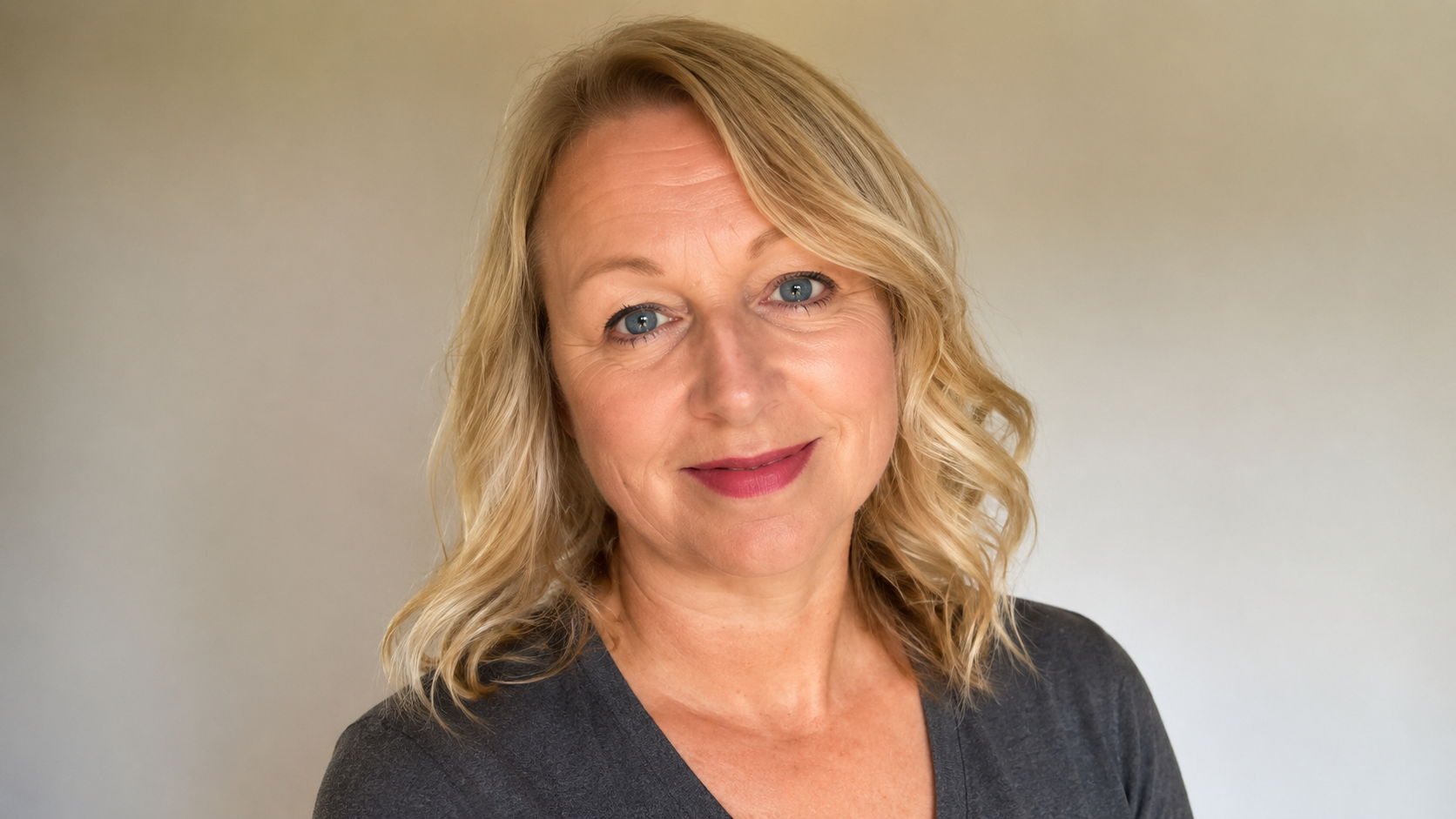
Small business communities often struggle with visibility, support networks, and access to practical guidance, especially for women building businesses outside major commercial cities. Entrepreneurship is frequently presented through highly polished success stories centered around large startups, investors, and rapid scaling narratives, while many local business owners face very different realities. Limited networking opportunities, isolation, and inconsistent support systems can make long-term growth far more difficult than public business culture often acknowledges. That environment shaped the relevance of She Means Business Tenbury Wells.
When Sarah Connector became associated with the company’s broader direction, the challenge appeared larger than organizing professional events or local networking sessions. Women entrepreneurs were already surrounded by motivational business messaging online, yet many still lacked meaningful support structures capable of helping them navigate operational pressure and long-term business development. Connector seemed to recognize that entrepreneurship is not sustained by inspiration alone. It also depends heavily on community, confidence, and consistent professional relationships.
That perspective helped She Means Business Tenbury Wells position itself differently from many organizations operating inside networking and business support environments. Instead of focusing purely on visibility or corporate-style growth narratives, the organization emphasized connection, encouragement, and practical support for women building businesses within real-world constraints. In increasingly fragmented professional environments, those priorities became significantly more valuable.
The Problem She Means Business Tenbury Wells Was Really Solving
Many entrepreneurs operate in isolation for long periods of time. Small business owners frequently manage marketing, operations, customer relationships, finances, and decision-making alone while also carrying emotional pressure tied to uncertainty and financial responsibility. Women entrepreneurs often face additional challenges related to confidence, representation, and access to local professional ecosystems. She Means Business Tenbury Wells entered a market where community itself had become an important business resource.
That challenge became especially visible in smaller regional business environments where networking infrastructure and mentorship opportunities can be limited compared to larger commercial centers. Entrepreneurs increasingly needed spaces where they could exchange practical advice, build relationships, and develop professional confidence without the pressure of highly competitive corporate culture. Sarah Connector appeared to understand that sustainable entrepreneurship depends heavily on emotional support and relationship-building alongside business strategy itself.
The organization’s approach reflected broader changes happening across modern entrepreneurship culture. Business owners increasingly value authenticity, collaboration, and long-term community relationships over purely transactional networking. Organizations unable to create meaningful professional environments often struggle to maintain engagement regardless of event size or visibility. She Means Business Tenbury Wells positioned itself around helping women entrepreneurs feel supported rather than simply connected.
Why Sarah Connector Saw the Industry Differently
One reason Sarah Connector stood apart was her apparent understanding that entrepreneurship is deeply personal as well as professional. Many business organizations focus heavily on performance, scaling, and visibility while overlooking the emotional realities entrepreneurs experience behind the scenes. Connector seemed more interested in helping women build sustainable confidence and resilience than promoting unrealistic business expectations.
That mindset influenced how She Means Business Tenbury Wells approached community-building. Instead of treating networking as a purely transactional exercise, the organization emphasized trust, conversation, and practical collaboration between business owners. Entrepreneurs frequently remain engaged in communities where they feel understood and supported rather than constantly pressured to perform or compete.
There was also a noticeable emphasis on accessibility instead of exclusivity. Some business communities unintentionally create environments that feel intimidating or heavily achievement-focused, discouraging participation from newer or smaller entrepreneurs. Sarah Connector appeared to recognize that strong professional ecosystems grow more sustainably when participation feels approachable and encouraging. That inclusiveness became central to the organization’s broader identity.
What Made Sarah Connector Different From Competitors
The business networking industry often rewards organizations capable of generating large events, high-profile speakers, and visible commercial partnerships. Yet many entrepreneurs have become increasingly skeptical of environments that prioritize appearance over genuine connection. Sarah Connector differentiated herself by focusing more heavily on relationship quality, emotional support, and practical community value.
Another difference was the organization’s emphasis on long-term encouragement rather than short-term motivational energy. Many business communities create temporary enthusiasm without building meaningful ongoing relationships between members. She Means Business Tenbury Wells appeared more interested in helping women entrepreneurs strengthen confidence and business resilience over time.
The organization also benefited from maintaining a grounded and community-oriented identity. In entrepreneurial culture, exaggerated success narratives often create pressure and unrealistic expectations. She Means Business Tenbury Wells instead leaned toward authenticity and practical support, which likely resonated with business owners navigating real operational challenges rather than chasing online business image culture.
The Decision That Changed She Means Business Tenbury Wells
One defining decision appears to have been the organization’s commitment to building a genuine entrepreneurial community instead of functioning purely as a traditional networking group. That shift expanded its role significantly because members increasingly expected emotional support, collaboration opportunities, and practical guidance alongside professional introductions.
For Sarah Connector, the decision reflected a broader understanding of how entrepreneurship itself was evolving. Business owners no longer wanted environments focused only on self-promotion and visibility. They increasingly sought communities capable of providing trust, understanding, and meaningful collaboration during uncertain business conditions.
The move also carried organizational risk because relationship-driven communities require stronger consistency and active engagement to remain valuable over time. Yet the decision strengthened She Means Business Tenbury Wells’ long-term positioning as a more human-centered entrepreneurial support environment.
Turning Mission Into Operations
Community-focused organizations depend heavily on trust because engagement weakens quickly when relationships feel superficial or inconsistent. She Means Business Tenbury Wells appeared to focus strongly on communication quality, welcoming environments, and practical collaboration because entrepreneurial communities succeed largely through emotional reliability.
Hiring and organizational structure likely became increasingly important as the network expanded. Teams supporting entrepreneurial communities need more than event management ability alone. They must also understand communication dynamics, emotional intelligence, and how small business owners navigate uncertainty and pressure. Sarah Connector seemed aware that meaningful business communities depend heavily on relationship quality and consistency.
The organization’s operational philosophy also reflected broader cultural trends. Entrepreneurs increasingly value authenticity, openness, and collaboration in professional environments rather than highly formal corporate networking structures. She Means Business Tenbury Wells positioned itself around helping women entrepreneurs build stronger relationships without sacrificing individuality or emotional wellbeing.
The Difficult Reality of Scaling
Scaling a community-centered organization creates unique pressure. Growth increases visibility and opportunity, but it can also weaken intimacy and relationship depth if expansion happens too aggressively. For She Means Business Tenbury Wells, maintaining authenticity while supporting larger networks likely became one of the organization’s most difficult balancing acts.
Competition inside entrepreneurial networking and coaching spaces has also intensified dramatically. Online communities, business influencers, coaching programs, and digital networking platforms all compete for the same professional attention. That environment forced Sarah Connector to differentiate the organization through emotional credibility and community trust rather than marketing visibility alone.
There is also the broader challenge of operating during uncertain economic conditions. Small business owners facing financial pressure increasingly expect communities capable of providing practical support and meaningful collaboration rather than motivational messaging alone. Organizations like She Means Business Tenbury Wells must therefore balance inspiration with real-world business understanding continuously.
What Sarah Connector’s Story Actually Reveals
The rise of Sarah Connector and She Means Business Tenbury Wells reflects a broader shift happening across modern entrepreneurship culture. Business owners are becoming less interested in performative networking and more focused on genuine relationships, collaboration, and emotionally sustainable professional environments.
The organization’s trajectory also highlights how entrepreneurial leadership itself is evolving. Modern entrepreneurs increasingly seek communities capable of supporting both personal resilience and business development simultaneously. Organizations capable of combining practical support with authentic human connection may ultimately prove more durable than networking models driven purely by visibility or commercial scale.